
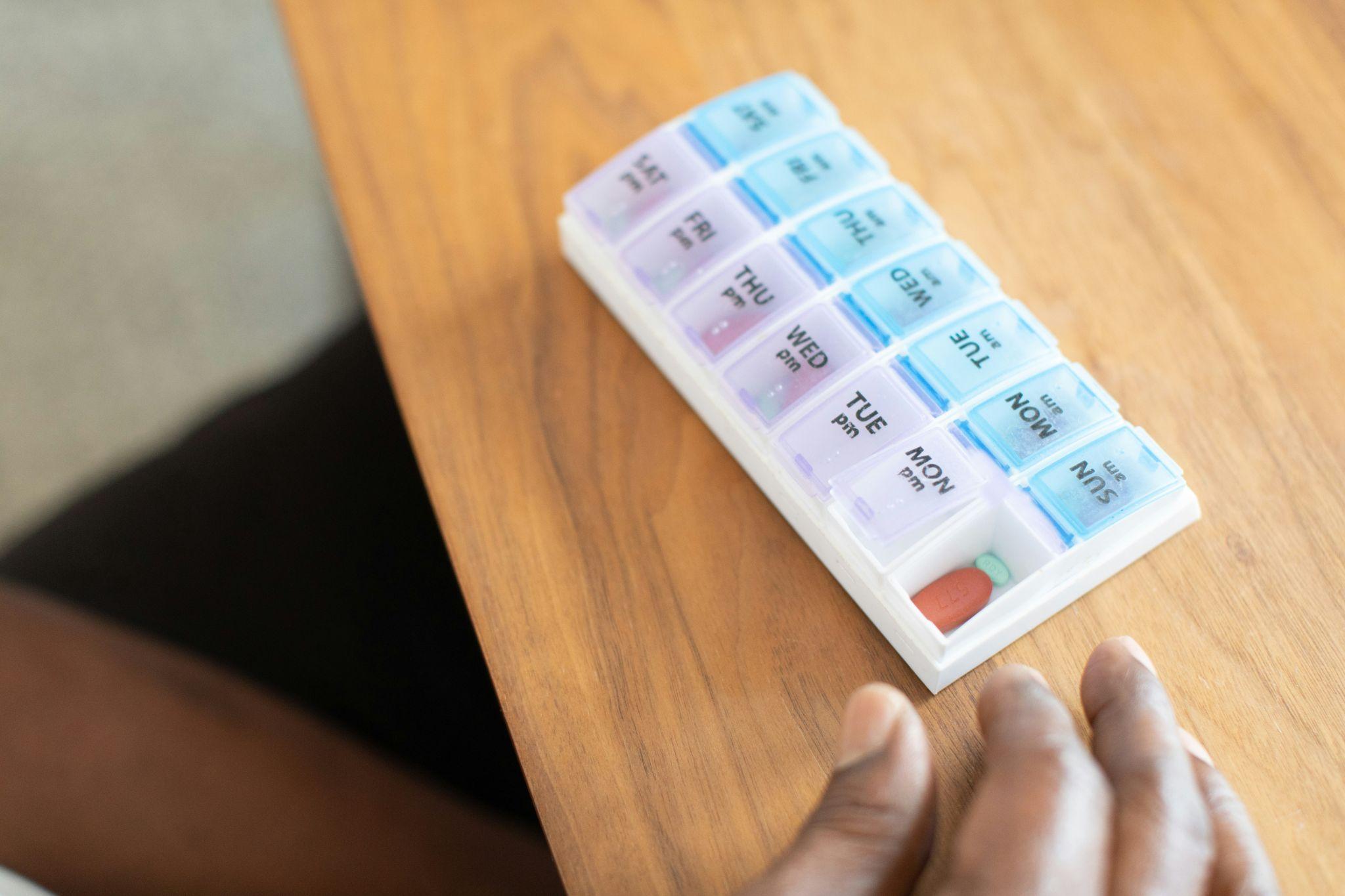
Ask five people how often they see their prescriber, and you’ll get five different answers, and that’s by design. Medication management isn’t a fixed schedule; it’s a moving target that shifts with symptoms, dosage, and how the body responds over time. Here’s what actually determines the timeline, based on current clinical guidance.
How Often Should Psychiatric Medications Be Reviewed?
Most psychiatric medications are reviewed every 2 to 4 weeks during the initial adjustment period, then spaced out to every 3 to 6 months once symptoms stabilize. Research protocols for new medication starts often call for weekly contact in the first month, shifting to biweekly and then monthly check-ins as response is confirmed.
Clinical monitoring standards for new psychiatric treatment call for weekly in-person visits during the first four weeks, then a shift to every two weeks, with monthly contact as the minimum for anyone in active treatment. Once a medication proves stable, these reviews can extend to every six months.
What Happens During a Medication Review Appointment?
A review isn’t just a refill; it’s a check on whether the plan is still working. Your provider will ask about mood, sleep, energy, and side effects, and may order bloodwork depending on the medication.
Medications like lithium require monitoring of calcium, kidney function, and thyroid levels, typically checked around every six months. These check-ins catch problems, like emerging side effects or a dose that’s stopped working, before they become bigger issues.
Why Do Dosage Adjustments Happen So Often Early On?
Early adjustments happen because psychiatric medications don’t work instantly; the brain needs time to respond, and providers need real data before committing to a long-term dose. Changing too soon can mask whether a medication would have worked given more time.
How Long Before a Medication Is Considered “Working”?
Most people notice small shifts within the first couple of weeks, but the full effect usually takes longer to show up. Many people begin feeling somewhat better within the first few days of a new medication, but the full therapeutic effect typically isn’t clear until around the eight-week mark. That’s why providers rarely make big changes before that window closes.

For anyone comparing mental health services in Raleigh, NC, the follow-up appointment often matters more than the initial prescription. A provider offering psychiatric medication management can only adjust a plan based on what’s reported in the room, which is why consistent reviews, not consistent pill bottles, drive results.
Brainium provides structured psychiatric medication management and comprehensive psychiatric evaluation near Raleigh, NC, for clients ages 6 to 65, with both telehealth and in-person appointments available.
If you’re ready for a psychiatric medication provider that treats follow-up care as seriously as the prescription itself, contact us today and take the next step toward a plan built around consistent, responsive care.