

You notice it every fall: sleep changes, a tighter schedule, less daylight, more responsibilities, or symptoms that seem harder to control. Then comes the mental health medication question: Do these seasonal changes mean my medication needs to change too?
Usually, the answer is not automatically. A change in season does not by itself mean a prescription should be increased, decreased, stopped, or replaced. However, fall can change routines, sleep patterns, daylight exposure, school or work demands, and stress levels. Those changes may affect symptoms or make an existing medication plan feel different.
For people managing anxiety, ADHD, depression, panic disorder, bipolar disorder, persistent depressive disorder, or challenging behavior, the more useful question is often: What has changed in my symptoms, routine, and medication response, and does that change warrant a medication review?
That is the starting point for safe psychiatric medication management.
Why Can Mental Health Symptoms Change When Fall Begins?
Research shows that seasonal changes can influence mental health through several overlapping factors, including changes in daylight, sleep, daily schedules, activity levels, and environmental demands.
The National Institute of Mental Health reports that seasonal affective disorder, or SAD, is a form of depression with a recurring seasonal pattern. Winter-pattern SAD commonly begins in late fall or early winter and can include low mood, reduced energy, difficulty concentrating, changes in sleep or appetite, and social withdrawal.
That does not mean every fall-related mood change is SAD.
Someone may instead be responding to:
- A new school or work schedule
- Earlier sunsets and changes in daily activity
- Reduced outdoor time
- Disrupted sleep
- Increased family or financial responsibilities
- Changes in appetite or caffeine use
- More frequent panic symptoms
- Difficulty maintaining a consistent medication schedule
- A recurrence of symptoms that previously appeared during a particular season
This distinction matters because the appropriate response depends on the underlying pattern rather than the calendar.

A practical fall medication framework
One useful way to think about seasonal medication concerns is the S-A-F-E check:
S: Symptoms. What specifically changed? Mood, anxiety, attention, sleep, panic, irritability, impulsivity, or energy?
A: Adherence. Are medications being taken at the prescribed time and dose consistently?
F: Factors. What else changed? Sleep, caffeine, workload, daylight exposure, school schedule, other medications, or substance use?
E: Evaluation. Has the change lasted long enough or become significant enough to discuss with the medication provider?
This framework can help separate a temporary routine disruption from a pattern that deserves closer evaluation.
Should Mental Health Medication Be Adjusted When Fall Symptoms Appear?
This is another great fall-related mental health medication question. Medication changes should be based on the person’s symptoms, response, side effects, medical history, and treatment plan rather than the season alone. A fall symptom does not automatically mean the current medication has stopped working. Likewise, feeling better for a few weeks does not necessarily mean medication is no longer needed.
The National Institute of Mental Health notes that people can respond differently to mental health medications and that finding an effective medication with manageable side effects can sometimes require adjustments over time. It also advises people not to stop prescribed medication without guidance from a healthcare provider.
For someone already receiving medication management, a seasonal change can instead be a useful point for reviewing what is happening.
A medication provider may consider questions such as:
- Has the original symptom returned?
- Is the medication still providing the expected benefit?
- Have side effects changed?
- Has sleep changed?
- Are symptoms affecting work, school, relationships, or daily responsibilities?
- Has another medication or supplement been added?
- Are doses being missed?
- Is the timing of medication still practical?
- Has there been a repeated seasonal pattern in previous years?
The goal is not to react to every difficult day. It is to identify meaningful changes early enough to make informed decisions.

Anxiety and Fall: Can Seasonal Changes Affect Anxiety Symptoms?
The answer to this mental health medication question is yes. Changes in routine, sleep, workload, and seasonal expectations can coincide with increased anxiety, although a seasonal change does not necessarily cause an anxiety disorder to worsen.
For someone with an existing anxiety condition, fall may introduce several triggers at once. A student may return to a demanding academic schedule. A parent may have new childcare or activity schedules. An employee may face increased workload before the end of the year. Sleep disruption is particularly important to track because anxiety and poor sleep can influence one another.
A person who notices increasing worry, physical tension, restlessness, racing thoughts, or difficulty functioning should document when the symptoms started and what changed around the same time. That information can make a medication review more useful.
According to studies, if anxiety occurs alongside persistent low mood or loss of interest, the issue may involve more than anxiety alone. Anxiety and depression treatment may require a broader assessment of the symptoms occurring together.
What About ADHD Medication When School and Work Routines Change?
ADHD symptoms can become more noticeable when fall brings greater structure, deadlines, academic demands, or changes in responsibilities.
Medication needs can also differ across people and over time. The CDC notes that ADHD treatment includes medication, and that treatment plans should be monitored and adjusted when needed. It also reports that stimulant medications are commonly used for ADHD and that side effects can include sleep difficulties and reduced appetite.
For a child or adult taking ADHD medication, fall is therefore a useful time to observe whether the existing plan continues to support the demands of the person’s daily routine.
For example, a person may notice:
- More difficulty completing assignments
- Increased forgetfulness
- Problems staying organized
- Reduced concentration during longer workdays
- Appetite changes
- Trouble falling asleep
- A noticeable change as medication wears off
That does not automatically mean the medication dose needs to increase.
An ADHD specialist or medication provider may instead need to understand the entire pattern, including the timing of symptoms, medication timing, sleep, meals, and changes in daily responsibilities.
For children, parents should also consider feedback from school when appropriate. The CDC emphasizes monitoring ADHD treatment response and adjusting medication as needed to balance benefit with tolerable side effects.

Can Fall Trigger Depression or Persistent Depressive Disorder Symptoms?
Fall can coincide with depressive symptoms, particularly for people who have a recurring seasonal pattern, but not every autumn increase in sadness or fatigue represents seasonal depression. Major depression generally involves symptoms occurring most of the day, nearly every day, for at least two weeks and interfering with daily activities. Persistent depressive disorder involves less severe but longer-lasting depressive symptoms, generally continuing for at least two years.
Someone with persistent depressive disorder may notice that a seasonal disruption makes longstanding symptoms harder to manage. Someone with recurrent depression may notice a more distinct change in mood, motivation, sleep, appetite, or concentration. The important point is to look beyond the label of “fall depression.”
Track:
Duration: How long have symptoms been present?
Intensity: Are they mild, moderate, or substantially interfering with daily life?
Pattern: Has this happened during previous fall or winter periods?
Function: Is the person struggling at work, school, home, or in relationships?
Medication response: Is the current treatment still producing the expected benefit?
For people who need ongoing mood disorder treatment, these observations can provide useful information during a medication review.
Why Is Bipolar Disorder Especially Important to Monitor During Seasonal Changes?
Bipolar disorder requires careful attention to changes in mood, energy, sleep, and activity because both depressive and manic or hypomanic symptoms can occur. Changes in sleep can be particularly important to report. A person might notice needing significantly less sleep, unusually high energy, increased activity, rapid thoughts, unusual irritability, impulsive behavior, or other changes that differ from their normal pattern.
NIMH explains that bipolar disorder treatment may involve mood stabilizers and other medications, and that medication plans can differ depending on whether someone is experiencing an acute mood episode or managing symptoms over the longer term. NIMH also advises against stopping medication without discussing it with a healthcare provider. This is one reason seasonal medication decisions should not be made independently.
For someone with bipolar disorder, a sudden change in sleep or energy deserves attention even when the person does not initially interpret it as a mental health symptom.
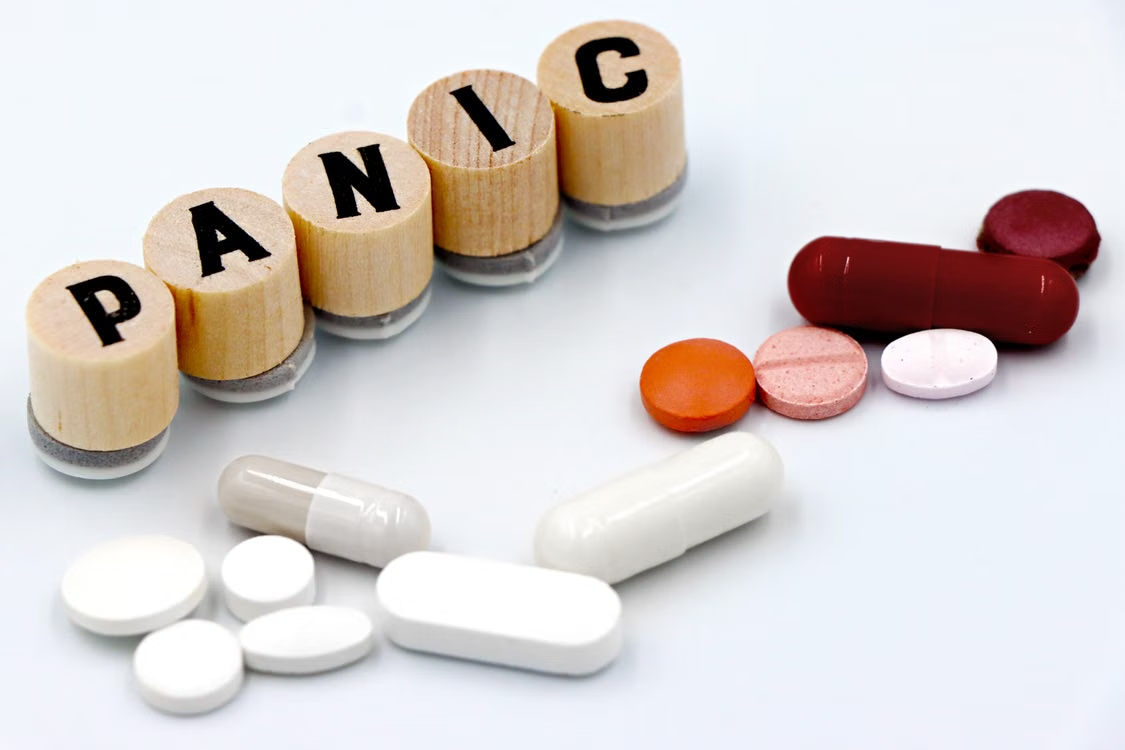
What About Panic Disorder and Challenging Behavior?
Panic symptoms can become more disruptive when stress, sleep disruption, or routine changes accumulate. A person with panic disorder may experience unexpected episodes of intense fear accompanied by physical symptoms such as a racing heart, sweating, trembling, dizziness, or shortness of breath.
The useful question is not simply, “Are my panic attacks worse in fall?”
Instead, consider whether the frequency, intensity, duration, or impact of episodes has changed.
Similarly, challenging behavior can sometimes reflect changes in an underlying condition, medication response, sleep, environmental demands, or another factor. This is particularly important when behavior changes occur alongside mood, attention, anxiety, or sleep changes.
Rather than treating the behavior as an isolated problem, the medication provider can look at the broader pattern.
When Should You Contact a Medication Provider?
Contacting a medication provider is appropriate when symptoms are changing in a persistent, concerning, or functionally significant way, particularly when the change involves medication effectiveness or side effects.
Useful reasons to schedule a medication review include:
- Symptoms are returning despite taking medication as prescribed.
- Side effects are interfering with daily life.
- A medication dose has been missed or taken incorrectly.
- Sleep or appetite has changed substantially.
- Panic episodes have become more frequent.
- Depression symptoms are becoming more persistent.
- ADHD symptoms are interfering with school, work, or daily responsibilities.
- Mood, energy, or behavior has changed significantly.
- A new medication, supplement, or health condition could affect the existing medication plan.
Do not make an independent medication change simply because fall has arrived.

Frequently Asked Questions
Does fall mean I need a different mental health medication?
No, fall alone does not mean your medication needs to change. Seasonal changes can coincide with changes in sleep, mood, anxiety, attention, energy, and daily routines, but medication decisions should be based on the individual’s symptoms, treatment response, side effects, and overall circumstances. Discuss persistent or significant changes with your medication provider rather than changing the dose independently.
Should I stop my medication if I feel better?
No, you should not stop prescribed mental health medication simply because you feel better. Improvement can indicate that the treatment is helping. NIMH advises people not to stop prescribed mental health medication without guidance from a healthcare provider because stopping some medications abruptly can cause problems or allow symptoms to return.
What should I do if I keep forgetting my medication?
Start by identifying why the doses are being missed and discuss repeated missed doses with your medication provider or pharmacist. Fall schedule changes can make an established routine harder to maintain. A consistent medication time, reminder system, medication organizer, or revised routine may help, but instructions for missed doses depend on the specific medication.
When should I contact my medication provider about fall-related symptoms?
Contact your medication provider when symptoms persist, worsen, interfere with daily functioning, or appear alongside concerning medication side effects. Examples include returning depression symptoms, increased anxiety or panic, worsening attention problems, major sleep changes, unusual energy or mood changes, or repeated missed doses. Significant safety concerns require urgent assistance rather than waiting for a routine appointment.

A new season does not automatically call for a new medication plan. What matters is understanding what has changed and whether that change affects your symptoms, daily functioning, medication response, or side effects.
If you have a mental health medication question and want to discuss evaluation, treatment, or ongoing psychiatric medication management in Raleigh, we at Brainium can help you review your concerns and determine appropriate next steps.
Call now to discuss your medication management needs.